
Webanalyze / Data collection

We would like to continually improve this website. To do this, we ask for your consent to the statistical collection of usage information. Consent can be revoked at any time.

Which service is used?

Matomo

For what purpose is the service used?

Collection of key figures for web analysis in order to improve the offer.

What data is collected?

IP address (will be immediately anonymized),
Device type, device brand, device model,
Operating system version,
Browser/browser engines and browser plugins,
URLs accessed,
the website from which the accessed page was reached (referrer site),
Length of stay,
downloaded PDFs,
entered search terms.

The IP address is not saved completely, the last two octets are omitted/altered at the earliest possible point in time (example: 181.153.xxx.xxx).

No cookies are stored on the device. If consent is not given for data collection, an opt-out cookie will be placed on the end device, which ensures that no data is collected.

How long is the data stored?

The anonymized IP address is stored for 90 days and then deleted.

On what legal basis is the data collected?

The legal basis for collecting the data is the consent of the user in accordance with Article 6 Paragraph 1 Letter a of the General Data Protection Regulation (GDPR). Consent can be revoked at any time on the data protection page. The lawfulness of the data processing carried out until the revocation remains unaffected.

Where is the data processed?

Matomo is operated locally on the servers of the technical service provider in Germany (processor).

More information:

Further information on the processing of personal data can be found in the data protection information.

Border of head area

This website has been machine translated.

Homepage StadtRaumMonitor

Illustration Stadtraummmonitor

Illustration Desktop
Illustration Mobile

How liveable do I find my surroundings?

Admin Loginclose panel
Registration
Admin Registrationclose panel
The password must be at least 12 characters long, including at least one uppercase letter, one lowercase letter, one special character and two numbers.
Back to Login
Admin Password forgottenclose panel
Back to Login
Admin New Passwordclose panel

Background

The StadtRaumMonitor

StadtRaumMonitor - Logo

With the StadtRaumMonitor, people can evaluate their own environment. The tool can be applied to different environments such as cities, communities or neighbourhoods: environments that either have already existed for a long time or are still being planned. The StadtRaumMonitor provides a discussion guide in the form of questions that facilitate and promote the exchange about one's own living environment. The focus lies on the participation of the people who live or work there to determine the perception of their living conditions. This information is an important complement to quantitative data, e.g., from health/social reporting and community development.

The StadtRaumMonitor can be used to work out in detail the strengths and weaknesses of an environment and where it can still be improved. The participating population evaluates the relevant areas of their living environment that also impact health, such as natural areas, housing, transport or supply. At the same time, there is the possibility of naming deficits and potential for improvement and making concrete suggestions.

The overarching goal of the StadtRaumMonitor is to create a liveable and health-promoting living environment in which everyone feels comfortable over the long term.

The StadtRaumMonitor is easy to use and free of charge.

Creation: Why?

The StadtRaumMonitor is based on the "Place Standard Tool (PST)" which was developed in Scotland and first used there in 2015. The overarching goal is to reduce existing health and social inequalities and to improve living environments in the long term. In English, the term "place" includes not only the geodiagramal and spatial aspects of a place but also its social, economic, cultural and historical significance. The identity of a place, the connection people have with that place and the values and norms that apply there play important roles.

The Place Standard Tool proved to be applicable for various objectives in municipalities and also culturally adaptable. It is now used across the board in Scotland. Since the German word "Ort" does not include the full meaning of the word "place", the "Place Standard Tool" became the "StadtRaumMonitor" in German. This title is intended to depict both urban and rural structures.

Germany commenced adapting the instrument in 2019. Initially, the cities of Bochum, Eschweiler and Plochingen and the municipality of Aidlingen piloted its applicability in municipal practice. After the successful completion of the pilot phase, the StadtRaumMonitor is now available throughout Germany.

The Place Standard Tool has already been adapted and used in other European countries (e.g., The Netherlands, Spain, Latvia, Turkey).

The everyday living environment in which we live, learn, work or spend our free time significantly impacts our quality of life and health. So, for example, living in a living environment with housing in poor condition, little green space, poor air quality or excessive noise pollution increases the risk of health problems. If an environment is perceived or experienced as unsafe, this can have an unfavourable effect on well-being. On the other hand, the design of the living environment can also positively influence our health. This is, for example, the case when there are many green spaces, safe bike lanes and public meeting places. Climate adaptation measures are also playing an increasingly important role in maintaining health.

Once we understand the strengths and weaknesses of a particular environment, we can make informed decisions about improvements and use resources where they are most needed. The StadtRaumMonitor supports the responsible actors in creating liveable and health-promoting residential areas and environments where people like to live, work and spend their free time.

Who?

The instrument can be used by anyone who would like to participate in health-promoting community development, for example, by municipalities, voluntary services and non-profit organisations and above all by citizens. The StadtSpaceMonitor enables various actors to work together productively and according to uniform standards, even if the instrument is used under different circumstances and with different objectives.

With the StadtRaumMonitor, municipalities receive a scientifically sound instrument that actively involves citizens to identify and show the strengths and weaknesses, for example, in municipalities, districts or individual neighbourhoods.

The StadtRaumMonitor distinguishes between two groups: on the one hand the "Admins" (those responsible for the project), on the other hand the "Respondents".

Respondents

Respondents have two different ways of using the StadtRaumMonitor. In any case, both are registration-free:

  1. An invitation to participate is sent via an admin. The survey is started via a link or QR code or by entering the survey ID. The survey is dedicated to a specific project, for example, assigned by a municipality. The data entered is collected, saved and evaluated by the associated admin.

  2. There is no invitation via an admin. The survey can still be started manually from the website out of private interest. There is no project assignment. The data entered is not collected, stored or evaluated by anyone, but can be downloaded or printed out before the end of the session

Even if the StadtRaumMonitor is started without a project assignment, the results can be printed out or saved together with a diagram representation. However, the data collected from the respondents is not stored in the system and is therefore not included in the location-based overall evaluation. Nevertheless, private use can be of value: Interested citizens receive a clear picture of their own perception of the living environment.

Admins

Because of its ease of use, the decision to use the StadtRaumMonitor can come from various actors: public or private institutions and organisations, for example, the municipal administration, the health department, a housing company or citizens' initiatives and associations. At the beginning of the process, those responsible for the project decide in which area and for what purpose they want to use the StadtRaumMonitor. In principle, admins must register before they can create, distribute and evaluate their own surveys. A checklist for planning and documenting the application can be found here.

How?

The environment to be evaluated must be defined by both respondents and admins. For example, it can be entire cities or communities, or parts of them, such as social spaces, quarters or a planned new development area.

First, the federal state and the respective city or municipality must be selected. If a district is to be evaluated, the option ‘Not applicable – select district’ must be used when selecting the city/town.

If the invitation is made via an admin, further sub-areas (e.g., social rooms, community/educational institutions or population groups) are predefined to which the respondents must assign themselves.

If participation takes place without an invitation, the respondents can decide for themselves whether and how they want to limit the area to be evaluated.

Respondents

The questionnaire consists of four overarching subject areas with a total of 15 questions that cannot be skipped. Because of the possibility of going back, previous questions can always be adjusted. Each of the 15 questions must be rated on a scale of 1-7 (1 = very bad, 7 = very good). Introductory explanatory texts under the main questions help with the evaluation. In addition, a drop-down box contains other aspects that can help with the evaluation. The rating slider can be moved intuitively, and a feedback box leaves space for positive, negative and neutral comments. As a result, the entered data is illustrated in a sun diagram and made available for download.

Admins

Admins have the possibility to use the StadtRaumMonitor in different ways:

  1. Online
    The online survey can be sent to the desired population groups via a link, QR code or with the help of the group ID. The dashboard offers all important evaluation features at a glance and the option to create and download diagrams. A more extensive data analysis (e.g., of the free text answers) is possible via the data export.
  2. Group Discussion
    Group discussions are particularly suitable for reaching specific population groups and collecting detailed information or recommendations for action. This offline data can be subsequently entered and evaluated via the admin dashboard. It is advantageous to create a separate sub-area in the survey for each group discussion. The advantages here lie in the possible combination of data from the online survey and (several) group discussions as well as the creation of diagrams overall and for each sub-area.
  3. Paper form or one-on-one
    The StadtSpaceMonitor can also be used in paper form or in one-on-one meetings. Here, too, this offline data can optionally be added to the admin dashboard. The advantages here lie in the possible merging of data from the various application options and the creation of diagrams.

Detailed information on how to use the StadtRaumMonitor can be found in the application manual. If you have any further questions, please get in touch with the contact persons listed below.

Once all questions have been answered, the ratings are automatically transferred to a chart (see below). A summary as an overview including all comments can be downloaded as a PDF file.

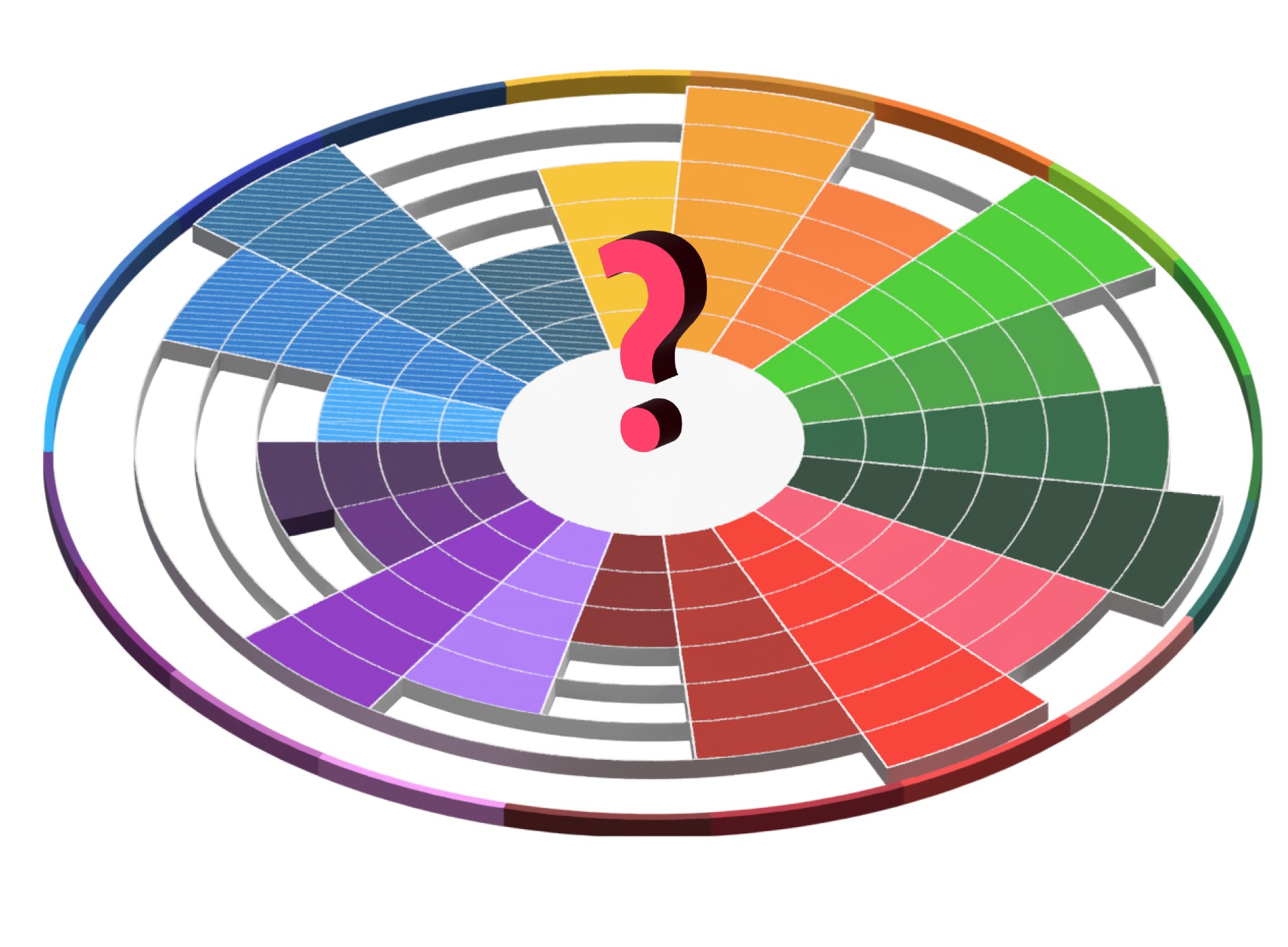
The result of the StadtRaumMonitor is easy to understand thanks to the sun diagram – the respondents can see at a glance in which subject areas an environment is doing well and where improvements are needed.

If the online survey was opened using a link provided (e.g., by the municipality) or a QR code, the data collected will be saved so that the admins responsible for the project can evaluate it quantitatively and qualitatively.

What?

The StadtRaumMonitor shows the strengths and weaknesses of a living environment (residential environment, work environment, school environment, etc.). It is used to identify and prioritize necessary improvements and to promote appropriate developments. The process of application promotes exchange, interaction and participation of the population.

The special value of the StadtRaumMonitor lies in the fact that all respondents are involved as individual experts with knowledge about their living environment.

Local governments or other stakeholders responsible for local development can use the tool to plan and prioritize their activities. Furthermore, the StadtRaumMonitor can be used as part of a redesign or to further develop a living environment. It can also be used to re-evaluate an environment after changes have been made. Regarding other analytical instruments, the StadtRaumMonitor is a useful addition.

The use of the StadtRaumMonitor is part of a process that is far from over with its evaluation. This checklist provides some helpful hints about the process.

The StadtRaumMonitor is used to call up the knowledge of certain population groups and to include it in future decisions. For example, the StadtRaumMonitor can be used as part of an integrated urban development concept to support a holistic design of planning processes. Here are examples of how the StadtRaumMonitor has been used in Germany so far.

In order to determine next steps, it is helpful to consider how the conversations and relationships that have been initiated and formed can be further developed and strengthened. The StadtRaumMonitor was developed with the aim of designing and implementing suitable, needs-based measures that are desired and accepted by the population, so that greater equal health opportunities can arise.

Thanks to uniform standards, the instrument also offers the possibility of checking after a certain time whether and to what extent improvements have actually occurred.

In addition to the standard survey for the StadtSpaceMonitor with 15 key questions, there is another supplementary climate module. However, the questions about the climate module are only displayed to the respondents if an admin has actively set this up when creating the survey. The climate module is currently still being piloted and will therefore initially be tested in four model municipalities in 2022.

Climate change affects the health and well-being of millions of people worldwide and has been identified by the World Health Organization (WHO) as one of the greatest public health challenges of the 21st century. The consequences of climate change include extreme weather events such as periods of heat and drought, heavy precipitation (with flooding) and storms.

These consequences have a direct impact on health. Many more people are already dying of cardiovascular diseases, and the risk of skin cancer and psychological stress has also increased significantly. Climate change also promotes the spread of disease carriers such as ticks or mosquitoes and thus the transmission of certain diseases such as Lyme disease or meningitis. The pollen season has also lengthened, which can be a severe limitation for people with allergies. And climate change also has consequences for our livelihoods, such as food, clean water and clean air. This also applies to our cities, villages and the direct living environment. Accordingly, measures must be developed to educate people on how to behave and adapt their living environment to climate change and thus protect the population's health from the effects as well as possible. The latter is primarily the task of the cities and municipalities, because they plan so-called "climate adaptation measures". Examples of this are well-developed warning systems for extreme weather and their consequences, climate-oriented construction or the creation of more green spaces and more water on site. Because these can promote general well-being and mental health and motivate people to exercise more. In this way, climate adaptation measures not only reduce the negative consequences of climate change but also promote the health of the people in a place of residence.

In contrast, climate protection measures try to counteract climate change. Both are important, climate protection and climate adaptation. However, the StadtSpaceMonitor focusses on climate adaptation, i.e., on dealing with the consequences of climate change that are already noticeable today, as this plays a central role in health-promoting urban and community development.

Contact

If you would like to use the StadtRaumMonitor as an admin (from a municipality or organisation) and have questions about it, you can contact the responsible persons here.

Nationwide:

Bundesinstitut für Öffentliche Gesundheit

Contact person: Christina Plantz

Email: stadtraummonitor(at)bioeg.de


In Baden-Wuerttemberg:

Ministerium für Soziales, Gesundheit und Integration Baden-Württemberg

Contact persons: Rabea Boos, Julia Moser, Dr. Torben Sammet

Email:


In North Rhine-Westphalia:

Landesamt für Gesundheit und Arbeitsschutz

Contact persons: Dr. Odile Mekel, Monika Mensing, Dr. Thomas Claßen
Email:

Shape the future of your environment!

StadtRaumMonitor-Evaluation

Locations

Active locomotion

Active locomotion means walking and cycling a lot. It requires footpaths, cycle paths and car-free roads or roads where cars only drive slowly. On good paths, wheelchairs, walkers and baby carriages can easily be used.

How do I rate the possibility of getting around on foot or by bike?

These tips can help with the assessment:

  • There are enough footpaths and cycle paths in my neighbourhood.
  • I can get to important places on foot or by bike (school, work, parks, bus stops, supermarkets.
  • There are enough traffic lights and pedestrian crossings.
  • The paths are good and well-maintained.
  • There are benches along the way.
  • I can use the paths at any time without any problems, even in winter.

Public transportation

Local public transportation includes buses, trams and trains, for example. Public transportation is an environmentally friendly alternative to travelling by car.

How do I rate public transportation in my area?

These tips can help with the assessment:

  • Public transportation is reliable. The vehicles run regularly and often enough.
  • Timetable information is easy to find and straightforward.
  • Public transportation is safe and accessible.
  • Travelling by public transportation is inexpensive.
  • There are enough stops in the neighbourhood.
  • The stops are sheltered from rain and sun.
  • The stops have benches, rubbish bins and secure parking spaces for bicycles.
  • The stops and vehicles are clean and well-maintained.

Traffic

Road traffic is well-regulated in a safe environment. There are enough parking spaces for cars, motorbikes and bicycles. Road users can move around safely.

How do I assess the traffic and parking situation in my neighbourhood?

These tips can help with the assessment:

  • Road traffic is safe.
  • People on foot and by bike have priority over motorised vehicles.
  • There are enough traffic lights and pedestrian crossings.
  • Residents are not affected or disturbed by noise or poor air quality.
  • Parked cars, motorbikes and bicycles are not a danger to others.
  • There are covered e-charging stations and parking spaces for bicycles.
  • There are plenty of alternatives to owning a car, for example, car-sharing, bike-sharing, community buses, carpooling opportunities ...

Natural areas

Natural areas are parks, forests, fields, rivers, lakes, ponds and green spaces – including those next to paths and roads, inside and outside cities and municipalities. Natural spaces improve the air quality. We feel good in natural spaces.

How do I assess the natural spaces in my neighbourhood?

These tips can help with the assessment:

  • There are a sufficient number and variety of natural areas.
  • The natural areas are easily accessible at all times, even without using the car
  • The green spaces are well maintained and are watered regularly.
  • There are enough benches.
  • You can do different things in the natural areas, for example, play sports, play games or simply go for a walk.
  • There are hardly any trees or plants that many people are allergic to, such as birch trees or ragweed.

Streets and squares

People should enjoy being in their surroundings. Streets, buildings and squares can have a positive or negative influence on people's attitude to life.

How do I rate the buildings, streets and squares in my neighbourhood?

These tips can help with the assessment:

  • The streets, buildings and squares are designed so that everyone enjoys being there.
  • There are hardly any empty buildings or damaged streets.
  • It is rarely noisy.
  • Even at night, people feel comfortable and find their way around easily.
  • There are plenty of public toilets and benches.

Condition and cleanliness

Well-maintained surroundings give residents a good feeling. It increases identification with the neighbourhood and reduces vandalism.

How do I assess the condition of my surroundings?

These tips can help with the assessment:

  • The public streets, areas and buildings are well-maintained and clean.
  • There is hardly any dirt or rubbish.
  • Damage to property is rare.
  • The rubbish collection service is regular.

Perceived safety

A safe environment reduces crime and anti-social behaviour. People feel more comfortable there and are more active. A high level of safety also means that people feel well informed and safe in the event of sudden events triggered by climate change, such as flooding.

How do I assess the safety in my neighbourhood?

These tips can help with the assessment:

  • I feel safe during the day and at night.
  • There is hardly any crime or antisocial behaviour such as damage to property.
  • The streets and squares are well-lit and easy to see.
  • Nobody feels threatened because of their origin, faith or sexual identity.
  • No one feels unsafe or affected by climate change.
  • Emergency warning systems, such as the NINA app, or certain newsletters, such as the DWD heat newsletter, are well known.
  • We are well-informed about how to avoid fires during drought and heat.

Care in everyday life

Good everyday amenities improve the quality of life. Everyday amenities include shops, markets, banks, post offices, cafés and restaurants, hairdressers, citizens' offices and religious facilities.

How do I rate the day-to-day care in my neighbourhood?

These tips can help with the assessment:

  • The shops are nearby. I can get there on foot, by bike or by bus and train.
  • The shops are well maintained. They are barrier-free and offer quiet areas and toilets.
  • There are many social facilities such as a food bank
  • I can eat a balanced, varied and sustainable diet.
  • The shops adjust their opening hours in summer and winter. They protect me from extreme cold and heat.

Healthcare

Good healthcare and social support are important for a high quality of life. This includes, for example, doctors' surgeries, hospitals, pharmacies and care services. Social support services such as welfare centres, neighbourhood help or meal services support people who need help.

How do I rate the healthcare and social support in my neighbourhood?

These tips can help with the assessment:

  • Healthcare is adequate in my neighbourhood. I can find many services.
  • All healthcare services are easy to reach on foot, by bike or by local transport.
  • They are well maintained and easily accessible for everyone, i.e., barrier-free.

Living conditions

Good neighbourhoods offer a mix of houses, flats, retirement homes and other forms of housing. Families and people of different ages and incomes live here. The neighbourhood should be safe and well-maintained so that people enjoy living there.

How do I rate the living conditions in my neighbourhood?

These tips can help with the assessment:

  • The houses in my neighbourhood are in good condition.
  • My home is bright and warm. I can ventilate it well.
  • I feel safe and protected at home. I have my privacy.
  • My home is energy efficient. I don't use a lot of energy.
  • The housing on offer in my neighbourhood is suitable for households of different sizes.
  • The rents and house prices are not too high.
  • People in my neighbourhood can stay in their homes even if their life situation changes.

Education and economy

A good local economy provides jobs. It also creates lively places. Cafés, restaurants and shops are created, for example. The local labour market and the opportunity for training or further education are just as important for local people as nurseries and schools.

How do I rate the education, economy and job opportunities in my neighbourhood?

These tips can help with the assessment:

  • There are many different jobs and apprenticeships and opportunities for further training in my neighbourhood.
  • People without a job will find a job centre and offers for training, further education or retraining nearby.
  • People prefer to shop in the local shops. The local restaurants and cafés are well-frequented.
  • The businesses in my neighbourhood don't cause traffic problems or more noise.
  • There are enough kindergartens and schools.
  • The range of nurseries and schools for childcare is sufficient, so parents can also get to work easily.
  • I can also work from home if, for example, it's very hot or the transport companies are on strike.

Play and leisure activities

In a good neighbourhood, there are various opportunities for sport and play as well as leisure activities. These include playgrounds, sports grounds, swimming pools, leisure clubs, cinemas and museums.

How do I rate the leisure activities in my neighbourhood?

These tips can help with the assessment:

  • There are lots of places to play and leisure activities in my neighbourhood.
  • I can easily get there on foot, by bike or by bus and train.
  • The playgrounds and sports fields are well maintained and safe.
  • Playgrounds and sports fields can be used at any time.
  • The offers are favourable.

Meeting opportunities

In a good environment, there are good meeting places for different people. People come together and enjoy spending time together. These include, for example, youth meeting places, clubs and events. But the internet also offers many opportunities for socialising.

How do I rate the opportunities for encounters in my neighbourhood?

These tips can help with the assessment:

  • There are many clubs, public meeting places and events (indoors and outdoors) in my neighbourhood. People like to go there.
  • Everyone is welcome, and you can reach many places on foot, by bike or by bus and train.
  • The meeting places are beautifully designed and well-maintained.
  • The providers publicise them in various ways (newspaper, radio, websites, social media).

Identity and sense of belonging

People like to feel a sense of belonging to a particular place. The design of the place, its history and its public image play important roles in this. Shops and businesses also prefer to open in attractive locations where people enjoy living.

How do I assess my own affiliation to my environment?

These tips can help with the assessment:

  • I feel comfortable and at home in my neighbourhood.
  • I know the history and traditions of the place.
  • There are regular festivals for everyone.
  • We have a sense of community. Everyone can get involved.
  • My neighbourhood has a good reputation. People outside have a good impression of my neighbourhood.
  • People here support each other when someone needs help, for example, with shopping or clearing snow.

Co-determination and cooperation

People like to help shape their environment. A good environment gives people this opportunity. Having a say and helping to shape change promotes social cohesion. This is particularly the case when people themselves are affected by the changes.

How do I rate the opportunity to help shape my environment?

These tips can help with the assessment:

  • I have the feeling that I can help shape things that affect me. People listen to me.
  • The people in charge in my neighbourhood actively work with local people to improve the environment.
  • I know my rights and how I can have a say.
  • The citizens in my neighbourhood are reliably represented.
  • I can have a say both online and in person.

Drinking water

Climate change means it is often hotter and drier. Especially in summer, it is therefore important for your health to drink plenty of water - even when travelling. In Germany, tap water is of very good quality. Free, easily accessible and appealing drinking water supplies, such as public fountains, can therefore be very helpful.

How do I assess the availability of free drinking water in my neighbourhood?

These tips can help with the assessment:

  • There are plenty of places with free drinking water: squares, parks, green spaces, clubhouses, sports grounds, swimming pools, social meeting places, schools, daycare centres, offices, religious
    facilities, doctors' surgeries, clinics, pharmacies, shops, restaurants.
  • These drinking water facilities are accessible at all times.
  • They are clean and attractive.
  • There is plenty of information on where to find drinking water facilities.

Cooling down outside

Our cities and communities are getting warmer and warmer due to climate change - especially where houses and buildings are close together. Green spaces and water features as well as shade, sun protection and the like help to cool down the environment.

How do I assess the shading and cooling options in my neighbourhood?

These tips can help with the assessment:

  • There is enough shade in my neighbourhood on footpaths, cycle paths, playgrounds, sports grounds, at meeting points and bus stops.
  • The facades and roofs of buildings are often covered with greenery.
  • My neighbourhood is cooled, for example by water features, fountains or bodies of water.

Cool rooms

When it gets hot, cool public spaces can also help in the short term, in addition to green spaces and water areas. However, cool public spaces should be as accessible as possible and open and freely accessible during the day.

How do I assess the availability of cool indoor spaces in my neighbourhood?

These tips can help with the assessment:

  • There are enough cool spaces in the neighbourhood: libraries, government offices, religious institutions, museums, clubhouses, social meeting places, shops and restaurants.
  • These spaces are open and accessible at all times during the day.
  • I can get there on foot, by bike or by bus and train.
  • Buses and trains are air-conditioned.
  • There is plenty of information about where to find these cool places.

Protection from extreme weather

In addition to heat, climate change often leads to other extreme natural events such as storms, heavy rain or flooding. We cannot completely prevent these. And they often happen very suddenly. However, good preparation can reduce the risks and minimise the damage.

How do I assess the safety of my neighbourhood in the event of heavy rain, flooding and storms?

These tips can help with the assessment:

  • In my neighbourhood, buildings, trees and other things such as rubbish bins are well protected from the forces of nature.
  • There is enough protection from flooding.
  • There are places of refuge if people have to leave their homes temporarily.
  • There is enough information about protection from extreme weather.
  • Local people know where to get help in an emergency.
  • I can find enough information on how to protect my home against the consequences of climate change.

Locations

Eschweiler

Pilot project 1

The town of Eschweiler (population 58,500, as at 31 October 2020) is part of the Aachen city region. Through its social planning department, the town aims to contribute to the sustainable improvement of living conditions and opportunities for participation with needs-based services and structural developments.

The StadtRaumMonitor, a participation-oriented tool for assessing the living environment based on various areas of life, was trialled at municipal level for the first time in Germany in 2020 and 2021.

In Eschweiler - one of the pilot municipalities - the objectives of the application and intended results of the StadtRaumMonitor were to evaluate the living environment in a participatory manner and to promote dialogue, learn more about the living conditions of citizens, promote social participation, cohesion and interaction, social participation, cohesion and interaction and, above all, to reach certain social groups, such as older people, children and young people, people with a migration background/experience of flight, people with disabilities/disabilities as well as the socio-economically disadvantaged and people in disadvantaged situations. In addition, the piloting and application results of the StadtRaumMonitor should be integrated into the 2021 social report of the city of Eschweiler.

In addition to the municipal social planning department and the health department of StädteRegion Aachen, key stakeholders involved in piloting the StadtRaumMonitor in Eschweiler were the Eschweiler-West neighbourhood management, the "Check In" youth meeting point, the "Haus der Begegnung - Villa Faensen" meeting point, the senior citizens and care centre of StädteRegion Aachen, the VABW (Association for General and Vocational Training) and the CARITAS workshops.

The StadtRaumMonitor was used in Eschweiler both city-wide and with a focus on specific social spaces and target groups. Three different forms of application were realised: an online version, a brochure and moderated discussion rounds. The application period in Eschweiler was from mid-July 2020 to the end of November 2020, and potential participants were addressed continuously throughout the entire participation period using a comprehensive advertising concept - both analogue and digital.

A large number of participants were recruited in Eschweiler via the three forms of application. Both younger and older people, people with a migration/refugee background, people with a low socio-economic status, unemployed and employed people and people with disabilities/disabilities were reached.

A total of 316 valid data sets were available via the online version and 43 valid data sets via the brochure. The proportion of qualitative data sets was high in each case. A total of 78 people took part in the moderated discussion groups (8 in total).

The data obtained was analysed according to the form of application, quantitatively and qualitatively separated and according to the assessed living environment/social space and the 14 areas of life.

The available results of the StadtRaumMonitor application in Eschweiler offer a comprehensive and detailed insight into the living conditions of citizens in Eschweiler. It was possible to identify in which living environments/social spaces and individual areas of life there is a high level of quality and satisfaction and where there is a need for improvement. Specific needs for action in individual social spaces and areas of life were identified and suggestions for improvement were made. The use of the StadtRaumMonitor forms a separate section of the City of Eschweiler's Social Report 2021.

In the long term, improvement measures relating to social spaces/living areas/target groups can be implemented in Eschweiler in order to create a high-quality, health-promoting living environment. For various reasons, all stakeholder groups and above all the citizens should be involved in this.

A detailed profile of this location for the Stadt-RaumMonitor application is available in the media centre.

Contact:
For further information on municipal implementation in NRW, please contact the North Rhine-Westphalia Health Centre:
E-mail:

Aidlingen

Pilot project 2

The municipality of Aidlingen (approx. 9,000 inhabitants) belongs to the district of Böblingen and is a long-standing partner in the Baden-Württemberg state network for health-promoting urban/community development. The StadtRaumMonitor is being used in the implementation of the "Aidlingen 2035" community development concept. By using this survey tool, the municipality collects information on local living conditions and enables citizens to participate in health-promoting community development.

The first population groups to take part in the survey were senior citizens and the sisters of the deaconess motherhouse in autumn 2021. The mayor of Aidlingen took part in the face-to-face survey. An online survey of school pupils will take place in spring 2022. Refugees will also be surveyed together with the municipal integration officer and integration manager.

The data from the surveys was analysed quantitatively and qualitatively, from which the municipality of Aidlingen was able to gain important insights. For example, it became clear that public transport bus services need to be expanded and improved, also to meet the needs of older people. An additional bus route to an S-Bahn connection has already been successfully established.

When using the StadtRaumMonitor, the municipality of Aidlingen values the creation of an active exchange and dialogue with the population. The participants have contributed many ideas and the personal survey also enables access to those people who do not necessarily express themselves publicly.

A detailed profile of this location for the StadtRaumMonitor application is available in the media centre.

Contact:
For further information on municipal implementation in BW, please contact the Baden-Württemberg Ministry of Social Affairs, Health and Integration:
E-mail: stadtraummonitor(at)sm.bwl.de

Plochingen

Pilot project 3

The town of Plochingen (15,000 inhabitants) belongs to the district of Esslingen. The appointment of the town as a pilot municipality for the StadtRaumMonitor was linked to the expectation of integrating it into a current planning or development process in a practical manner. The ongoing urban redevelopment project "Filsgebiet-West" and the additional "Filsallee" industrial estate were therefore selected as suitable projects. This is an urban redevelopment area with mixed residential and commercial use. The selection of this area was intended to focus on vulnerable population groups and also to reach people working in the commercial sector and employees. The results of the StadtRaumMonitor were fed into the further development of the redevelopment area and published on the city of Plochingen's website.

In conjunction with a letter from the mayor, the StadtRaumMonitor booklets were distributed to the above-mentioned target groups in spring 2021. It was also possible to participate in the StadtRaumMonitor via the BZgA online tool. A total of 18 participants were reached, nine of whom were residents of the Filsgebiet-West region, four employees/entrepreneurs and five participants without further details. The data was analysed quantitatively and separately for residents and tradespeople. The residents rated the neighbourhood more positively than the business owners. With regard to the urban redevelopment measure, the analysed deficiencies were confirmed. The StadtRaumMonitor is to be used in conjunction with other participation formats in the further involvement in the development of the redevelopment area. The tool will also be used in other planning processes.

A detailed profile of this location on the StadtRaumMonitor application is available in the media centre.

Contact:
For further information on municipal implementation in BW, please contact the Baden-Württemberg Ministry of Social Affairs, Health and Integration:
E-mail: stadtraummonitor(at)sm.bwl.de

Bochum

Pilot project 4

The Hamme district (15,000 inhabitants) is located in the north-west of the city of Bochum. An integrated urban development concept (ISEK) highlighted numerous structural shortcomings and social challenges. The StadtRaumMonitor served to bridge the waiting period for a funding approval and was intended to review the objectives and measures from the ISEK in dialogue with residents. The tool thus supports the urban regeneration process. The main co-operation partners in the project were the Office for Urban Planning and Housing and the Health Department. The results are also incorporated into the city of Bochum's specialised health plan. The aim of the StadtRaumMonitor was to promote the participation of the population. The focus was on underrepresented target groups.

It was implemented in 2020 using an online tool, the distribution of booklets, the organisation of focus groups and a street survey. A total of 160 data sets were collected. Both younger and older people, regardless of gender, took part in the StadtRaumMonitor. What is striking is the high level of participation by people who are already involved. In contrast, less experienced people, people with hearing impairments, young families and people with a migration background were hardly reached.

The comparison of the results with the ISEK was rated as very positive. The comparison made it possible to identify similarities, but also gaps. For Bochum-Hamme, the StadtRaumMonitor was seen as a suitable instrument for demonstrating the success of costly urban development measures. The StadtRaumMonitor also brings local people into dialogue.

A detailed profile of this location on the StadtRaumMonitor application is available in the media centre.

Contact:
For further information on municipal implementation in NRW, please contact the North Rhine-Westphalia Health Centre:
E-mail:


Partner

Logo Landesamt für Gesundheit und Arbeitsschutz NRW
Logo Ministerium für Soziales, Gesundheit und Integration in Baden-Württemberg
Logo Bundesinstitut für Öffentliche Gesundheit (BIÖG)
Logo Bundesgesundheitsministerium

The content of "StadtRaumMonitor - How livable do I find my surroundings?" is based on the Place Standard Tool (Open Government License v3.0) developed by Public Health Scotland, Architecture & Design Scotland, Scottish Government and Glasgow City Council.

Logo Scottish Government
Logo Public Health Scotland
Logo Architecture and Design Scotland
Logo Glasgow City Council

Contact

Bundesinstitut für Öffentliche Gesundheit
Maarweg 149-161
D-50865 Köln

Tel.: 0221 8992-0

Questions and suggestions
stadtraummonitor@bioeg.de